
Find a Machine | Tea Vending | By the VendingFinder Team | September 2026
If you drink tea and you have ever pressed the tea button on an office coffee machine, you already know how that ends. Lukewarm water that tastes faintly of somebody else’s latte, poured over a bag that has been sitting in an open rack since last month.
Most tea drinkers in America gave up on machine tea years ago and brought in a kettle. Which is a shame, because there is a different kind of machine out there now, and it makes tea properly.
Here is how to tell one from the other before you spend anything, where they tend to be, and how to get a decent cup when the only option is the machine in front of you.
Why Machine Tea Is Usually Bad
Worth understanding, because it tells you exactly what to look for and it is not the fault of the teabag.
The problem is water temperature. An espresso machine deliberately holds its water below boiling, because coffee brewed at a full boil tastes burnt. Black tea needs water at or very near boiling to extract properly. So a machine built for coffee is physically incapable of making good black tea, no matter what you put in the cup.
- The water is too cool, which is why the tea tastes thin and weak however long you leave it.
- The water path is shared with coffee, which is that faint flavour you cannot place.
- There is no steeping, because the machine is designed to hand you a finished drink immediately.
- The bag is an afterthought, usually generic and frequently stale because nobody counts it as stock.
How to Spot a Machine That Does It Properly
Ten seconds of looking will tell you whether it is worth trying.
- Tea appears near the top, not the bottom. The clearest signal available. If tea has its own section rather than sitting beneath five coffee variants, somebody designed the machine with you in mind.
- There is more than one tea. Black, green, herbal and fruit as separate choices means real intent. A single generic tea option means an afterthought.
- It mentions water temperature. Any machine advertising brewing temperature is telling you it solved the main problem, and machines that have not solved it never bring it up.
- It offers hot water on its own. A good sign, because it means the machine treats hot water as a product rather than a byproduct, and it lets you use your own bag.
- Different temperatures for different teas. Rare and an excellent sign. Green tea brewed with boiling water turns bitter, so a machine that knows the difference is a machine somebody thought about.
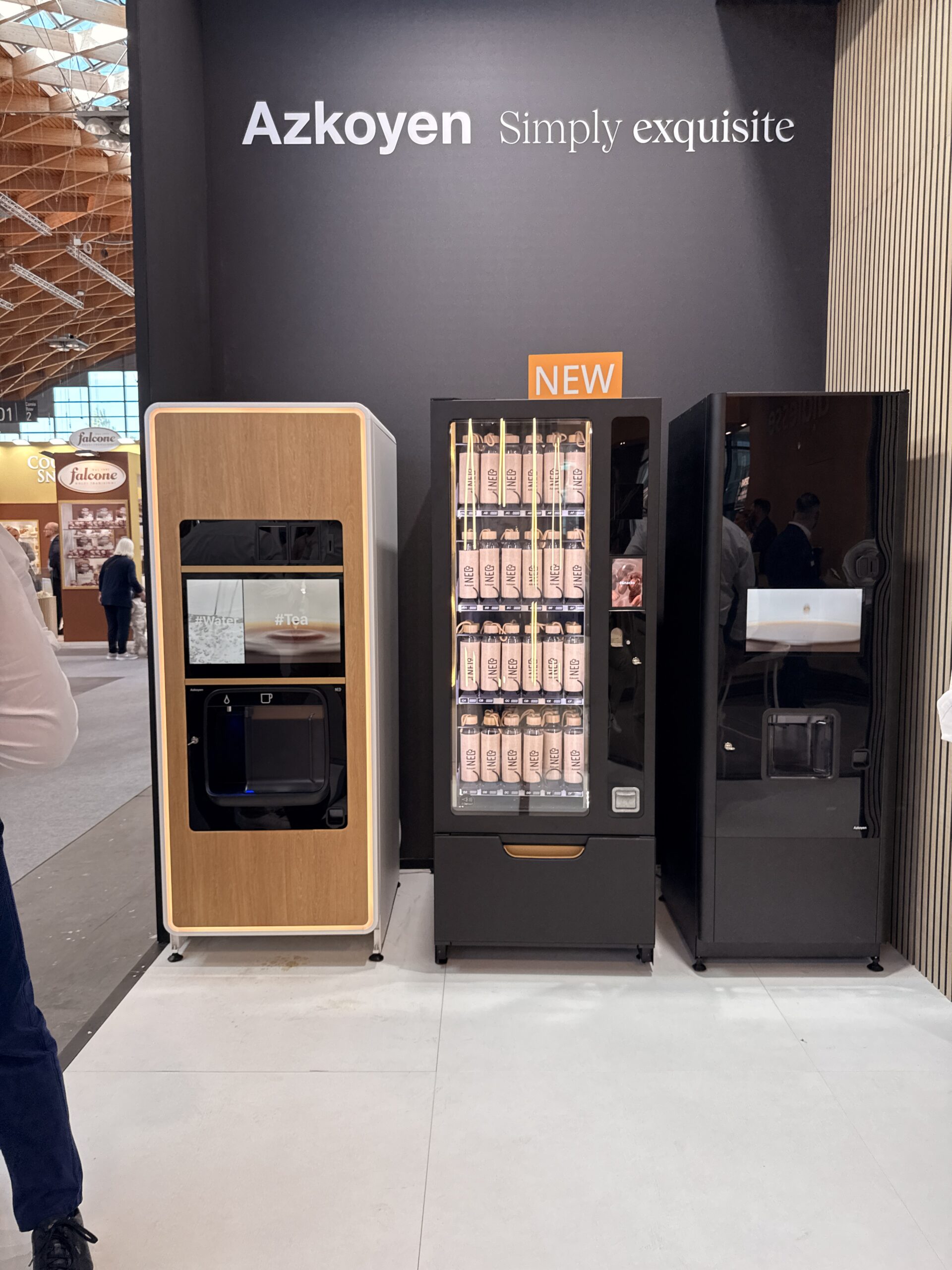
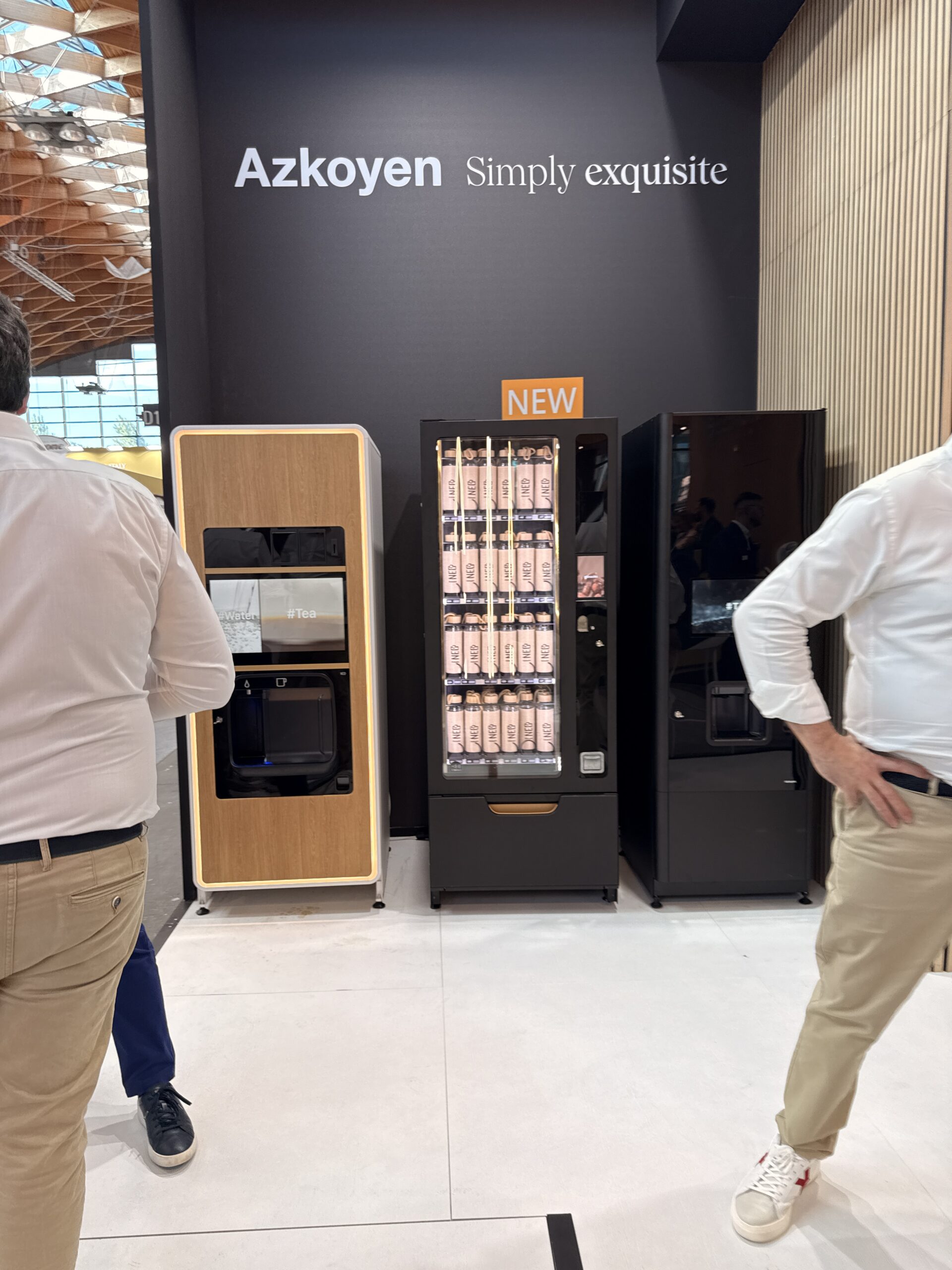
- It does not look like a vending machine. Genuinely a useful tell. The dedicated tea units tend to be slim and furniture finished, because they are built for receptions and lounges rather than break rooms.
The quickest test of all: if the machine mostly sells coffee and tea is one option among many, expect disappointment. If tea and hot water are what the machine is for, expect something genuinely good. That single distinction predicts the cup better than anything else you can observe.
Where These Machines Actually Are
A tea vending machine needs plumbing, so it lives indoors and near a water supply. That narrows things usefully.
- Hospitals and medical campuses. The most likely place by a distance. Large international staff populations, night shifts and long waits, and buildings with water everywhere.
- University campuses. Student unions, libraries and study spaces, serving a population with far more tea drinkers than the American average.
- Professional offices. Law firms, accountancy practices and consultancies, usually in a reception or a client lounge rather than a kitchen.
- Hotels and private clubs. Lobbies and lounges, frequently the best machines you will find because appearance standards forced somebody to buy a good one.
- Wellness venues, spas and yoga studios. Herbal tea suits these settings and coffee frequently does not.
- Clinics, dental practices and care homes. Waiting areas where a warm caffeine free drink is genuinely welcome.
- Technology and engineering workplaces. Diverse workforces and a culture of providing decent amenities.
Note how many of those are places you can only enter if you work there or have an appointment. That is the main obstacle with this category, and it is worth checking before travelling.
Why There Are So Few of Them
Worth knowing, because it explains why searching has probably not worked and points at where to look instead.
- Tea is a minority drink in American workplaces. Operators put in coffee machines because coffee sells more, and tea gets treated as a button rather than a category.
- They need plumbing. Which rules out a great many positions immediately and means the machine has to go where the water is rather than where the people are.
- They sit inside other buildings. A machine in a hospital wing or a law firm reception has no listing of its own anywhere, and map services have no idea it exists.
- Many are in places you cannot simply walk into. Offices, clinics and staff areas, which is the single biggest obstacle in this category.
- People walk past without realising. Because a good tea machine looks like furniture rather than vending, plenty of regulars at a building have never noticed what it does.
Finding One
- Check the map. Our live machine map tracks machines individually, which matters because these sit inside other buildings and have no listing of their own.
- Check accessibility on the listing. Each machine page records whether a location is open to the public, which saves more wasted journeys in this category than any other.
- Look in lobbies rather than break rooms. The good tea machines are usually placed as hospitality, in receptions and lounges, not tucked into a staff kitchen.
- Ask at the desk. In a hospital or a large office building, reception will know immediately and it is faster than wandering.
- Ask your own building to get one. Genuinely the most effective route. Facilities managers do respond to a request when several people make it, and most have never been asked about tea at all.
What a Good One Actually Costs
Prices vary by venue rather than by machine, and a few patterns are worth knowing before you are standing in front of one.
- Expect it to sit close to the coffee price. A well run tea vending machine prices near the coffee on the same site rather than below it, because the product is positioned as equivalent rather than as the cheap alternative.
- Hot water alone is usually cheapest. If you carry your own teabags, this is frequently the best value cup in the building by a wide margin.
- Premium and speciality selections may cost more. Some machines price a recognised brand or a speciality blend above the standard option, which is usually visible on screen before you commit.
- Card payment is close to universal. These are modern machines in professional settings, so coins are rarely needed.
- Some workplaces subsidise it. In offices and hospitals the employer sometimes covers part or all of the cost as a staff benefit, so it is worth checking rather than assuming you are paying full price.
Getting a Better Cup From an Ordinary Machine
If the only option is a coffee machine with a tea button, a few things genuinely help.
- Take hot water and use your own bag. The single biggest improvement available. The water is still too cool, but a fresh decent teabag beats whatever has been sitting in the rack.
- Run the machine first and discard it. A short dispense clears the line, which reduces the coffee taste noticeably on a shared water path.
- Leave it longer than you think. Cooler water extracts more slowly, so a few extra minutes partly compensates. It will not fix it and it does help.
- Cover the cup while it steeps. A lid or even a saucer keeps the heat in, which matters more when the water started too cool.
- Choose green or herbal. Counterintuitive and correct. Green tea prefers cooler water anyway, so a coffee machine’s temperature suits it far better than it suits black tea.
That last point is worth remembering. If you have always found green tea from a machine acceptable and black tea disappointing, the temperature is the reason rather than anything about you.
Is It Worth Paying For?
A fair question when you could boil a kettle, and the answer depends on what you are comparing it to.
Against making tea at home it is obviously more expensive, and nobody should pretend otherwise. Against a cafe it is usually a fraction of the price for something comparable, and against the coffee machine in the same building it is frequently better value because the product cost is lower while the price sits at a similar level.
The comparison that matters most is against what you would otherwise do. If the realistic alternative is a disappointing cup from the coffee machine, or walking ten minutes for a decent one, a good tea vending machine is comfortably worth it. If you have a kettle at your desk and you are happy with it, there is no reason to change.
A Few Practical Notes
- The water is genuinely hot. A machine making tea properly dispenses near boiling, which is considerably hotter than what comes out of a coffee machine. Take the cup carefully and use a lid if one is offered.
- Check the caffeine before assuming. Green tea contains more than many people expect, and some fruit blends contain none at all. A good machine tells you on screen.
- Allergens apply to tea too. Fruit and herbal blends can contain ingredients people react to, and that information should be available before you pay.
- Some herbal ingredients carry cautions. A number are not recommended during pregnancy or alongside certain medications, so it is worth reading the ingredients rather than assuming herbal means neutral.
- Look for somewhere to put the bag. Machines rarely provide it. Finding the bin before you start saves an awkward moment.
Choosing What to Order
If a tea vending machine offers several options, a few things are worth knowing before you pick.
- Black tea is the real test. It needs the hottest water, so if a machine makes a good strong black tea it will make everything else well. If the black tea is thin, the water is not hot enough and nothing on the menu will be better.
- Green tea is the safer first try. It prefers slightly cooler water, so it survives a mediocre machine far better and is a lower risk way to test somewhere unfamiliar.
- Herbal and fruit are the most forgiving. Robust flavours that hold up to almost any water temperature, and usually caffeine free, which makes them the obvious afternoon choice.
- Check whether milk is available before choosing black. If you take milk and there is none, pick something else rather than ending up with a cup you do not want.
- Hot water on its own is often the best value. If the machine sells it and you carry your own teabags, that is usually the cheapest and best cup available anywhere in the building.
Found One? Add It.
Tea machines are among the hardest to track, because they sit inside offices, hospitals and hotels that have their own names, and because most people walk past without realising what the machine does.
If you find a good one, note four things: where exactly it is, whether the location is open to the public, which teas it carries, and whether the water is genuinely hot. That last detail is the one every other tea drinker actually wants to know. You can read more about what we are building on our about page, and how machines are rated on the score.
Want One Where You Work?
This is more achievable than most people assume. These machines are narrow, they look like furniture rather than vending, and the main requirement is a water supply within reach.
If you manage a building, an office, a clinic or a hotel, you can put your site forward through our for locations page. The machines themselves come from suppliers like VMFS USA. And if you are thinking about operating machines yourself, start at for operators.
Frequently Asked Questions
Why is tea from a vending machine usually bad?
Water temperature, almost always. Coffee machines deliberately hold water below boiling because coffee at a full boil tastes burnt, while black tea needs water at or near boiling to extract. Add a shared water path carrying coffee flavour and no steeping time and the result is predictable regardless of the teabag.
How do I find a tea vending machine near me?
Check the live map, then look in hospitals, university campuses, professional offices, hotel lobbies and wellness venues. These machines need plumbing so they are always indoors near a water supply, and the better ones are usually placed in receptions and lounges rather than break rooms.
How can I tell if a machine makes good tea?
Look at where tea sits in the menu. If it has its own section with several varieties rather than one button beneath five coffee options, somebody designed the machine with tea in mind. A machine that mentions brewing temperature or offers different temperatures by type is a very good sign.
Can I improve tea from an ordinary coffee machine?
Somewhat. Take hot water and use your own fresh teabag, run a short dispense first to clear the coffee from the line, steep it longer than usual and cover the cup. Choosing green or herbal also helps, since those prefer cooler water anyway and suit a coffee machine’s temperature far better than black tea does.
Find One Near You
Search the live map for tea machines and everything else, and note what you find, especially whether the water is genuinely hot and whether anyone can walk in.